The Wrong Way to End Austerity in Alaska
The recent round of austerity measures in Alaska have been devastating. The cuts make clear that Alaskans need a new way of funding spending that impacts the wealthiest in the state, not than the poorest.
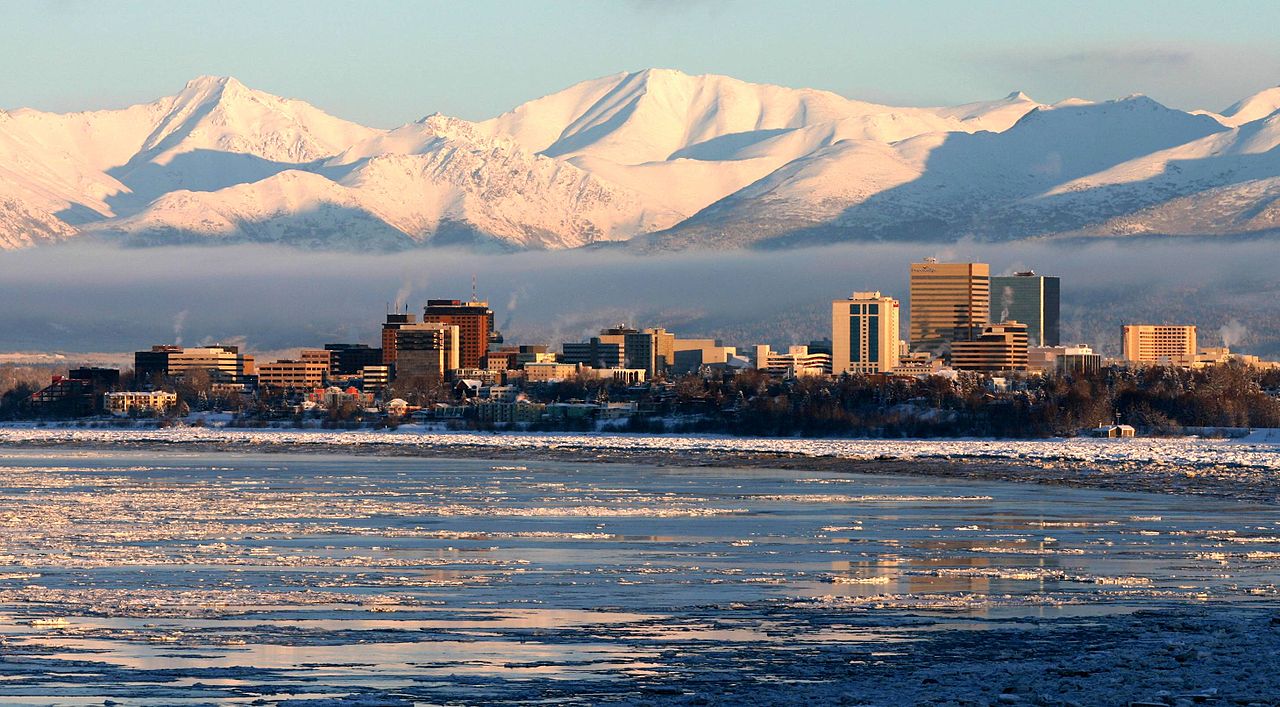
Anchorage, Alaska, January 2008.Frank K. / Wikimedia
Alaska governor Mike Dunleavy recently gutted his state’s budget by over $440 million with a slew of line-item vetoes. Among them: a 40 percent cut in funding to the University of Alaska, a $58 million cut to the state’s Medicaid program, and deep slashes to senior benefits, homeless services, low-income legal services, early education programs, and women’s shelters.
Dunleavy argues that the vetoes are necessary if he’s going to follow through on his campaign promise of restoring the state’s Permanent Fund Dividend (PFD) to its full statutory amount, which this year would provide a $3,000 check to every Alaskan. His framework: either social spending gets gutted or the PFD goes away.
This is of course a ridiculous lie. The state’s $1.2 billion budget deficit could be immediately closed with a move as simple as eliminating the $1.2 billion in deductible tax credits that will be lost to oil companies this year. It’s also worth remembering that Alaska is one of just two states with neither an income tax nor a sales tax, meaning it forgoes hundreds of millions of dollars in revenue each year.