The UFT’s Opposition to the Community Control Movement
The New York teachers’ union in the 1960s was stridently anticommunist and embraced an elitist sense of professionalism — producing an obsessive opposition to community involvement and black nationalism and the 1968 Ocean Hill-Brownsville strikes.
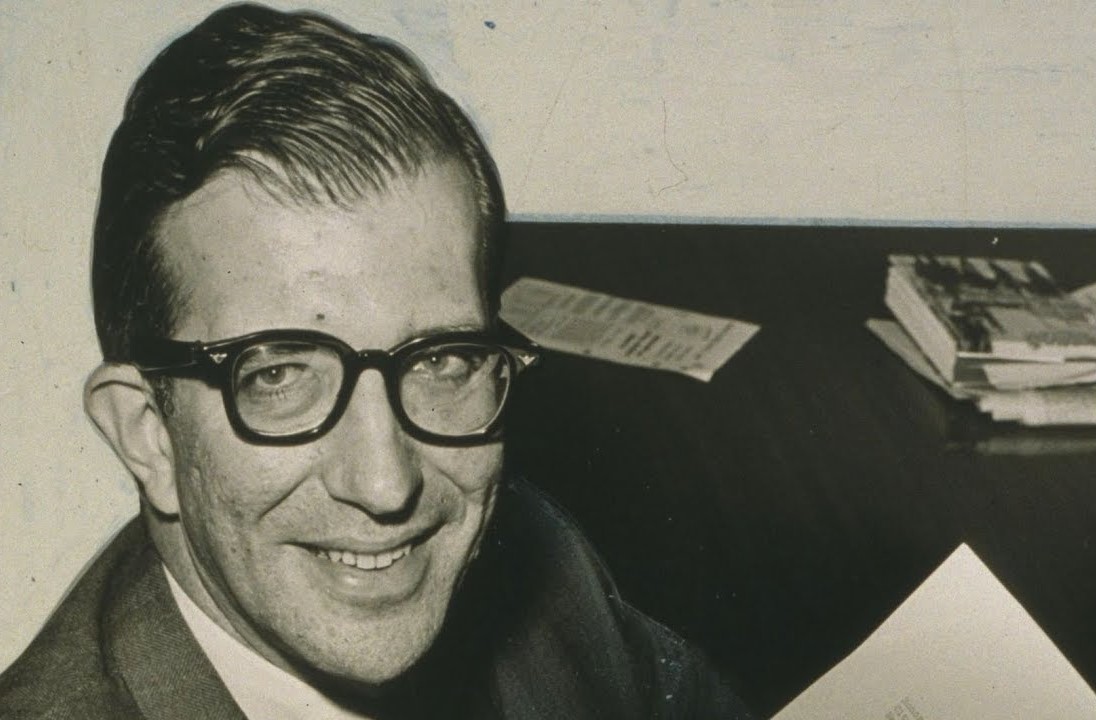
Albert Shanker, head of the UFT during the Ocean Hill-Brownsville strike.Albert Shanker and the Battles Over Schools, Unions, Race, and Democracy (2007) / YouTube
Teacher unionism in New York City has a century-long and at times troubled history, dating back to the founding of the American Federation of Teachers (AFT) in 1916. The leaders of the AFT and NYC’s Teachers’ Union (Local 5) fought the first US government-instigated Red Scare in 1919 that targeted teachers and union organizers.
But that defense of academic freedom and trade union organizing did not last. The union that later became the United Federation of Teachers (UFT) would literally grow out of the shell of the older Teachers’ Guild (TG), a social-democratic split off from the more radical New York Teachers’ Union (TU), which Communist Party activists had helped reorganize as a CIO union during the Great Depression. The early UFT, like its Teachers’ Guild ancestor, succeeded, in large measure, as a result of the evisceration of the Teachers’ Union, which had been expelled from the AFT in 1940 and effectively destroyed in the late 1950s amidst a swelling chorus of McCarthyite red-baiting, propagated in large part by TG leaders.
A particular target was the CP’s and the TU’s militant and enduring commitment to anti-racist, pro-community politics and mass struggles and actions in New York City throughout the late 1940s and 1950s. Tough craft and business unionism was the TG/UFT response to the TU’s social-movement unionism.