Another Balkans Is Possible
While nationalists agitate over the Macedonia naming dispute, the Macedonian left is seeking alliances with progressive forces in the region.
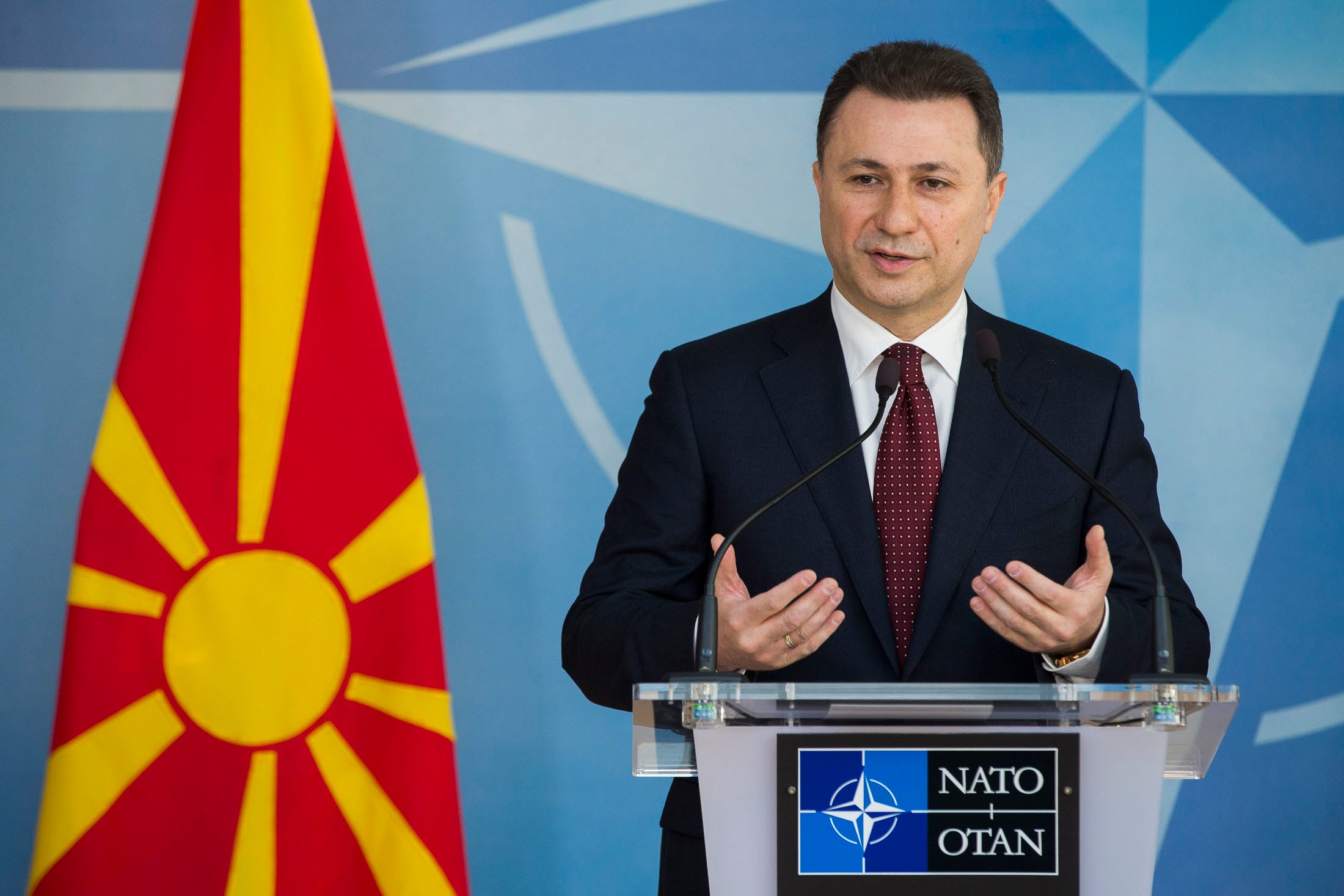
Former prime minister of former Yugoslav Republic of Macedonia, Nikola Gruevski, of the VMRO-DPMNE party, at NATO headquarters in Brussels, March 11, 2015.NATO / YouTube
The tension created by the “naming dispute” between Greece and the Republic of Macedonia and the complexities of the domestic politics in both countries have made it difficult for its left to engage in a cross-border dialogue.
In Macedonia, the ruling social-democratic party, a successor of the one-party regime of the Yugoslav era, is implementing neoliberal policies while pursuing a deeper integration in the Western bloc. In Greece, Alexis Tsipras and Syriza buckled under domestic and international pressure to become loyal executors of privitization and austerity.
There are, however, forces in both countries that resist that disastrous course, opposing both nationalism and neoliberalism. In this interview, Stathis Kouvelakis, a member of Popular Unity in Greece, and Nikola Slavevski from the newly created Macedonian party Levica (“The Left”) discuss the current rising nationalist tension and increasing US involvement in the Balkans and the way the Left should respond.