El Salvador’s Left in Crisis
In the wake of an electoral rout and growing internal divisions, El Salvador’s left is facing its starkest crisis in decades.
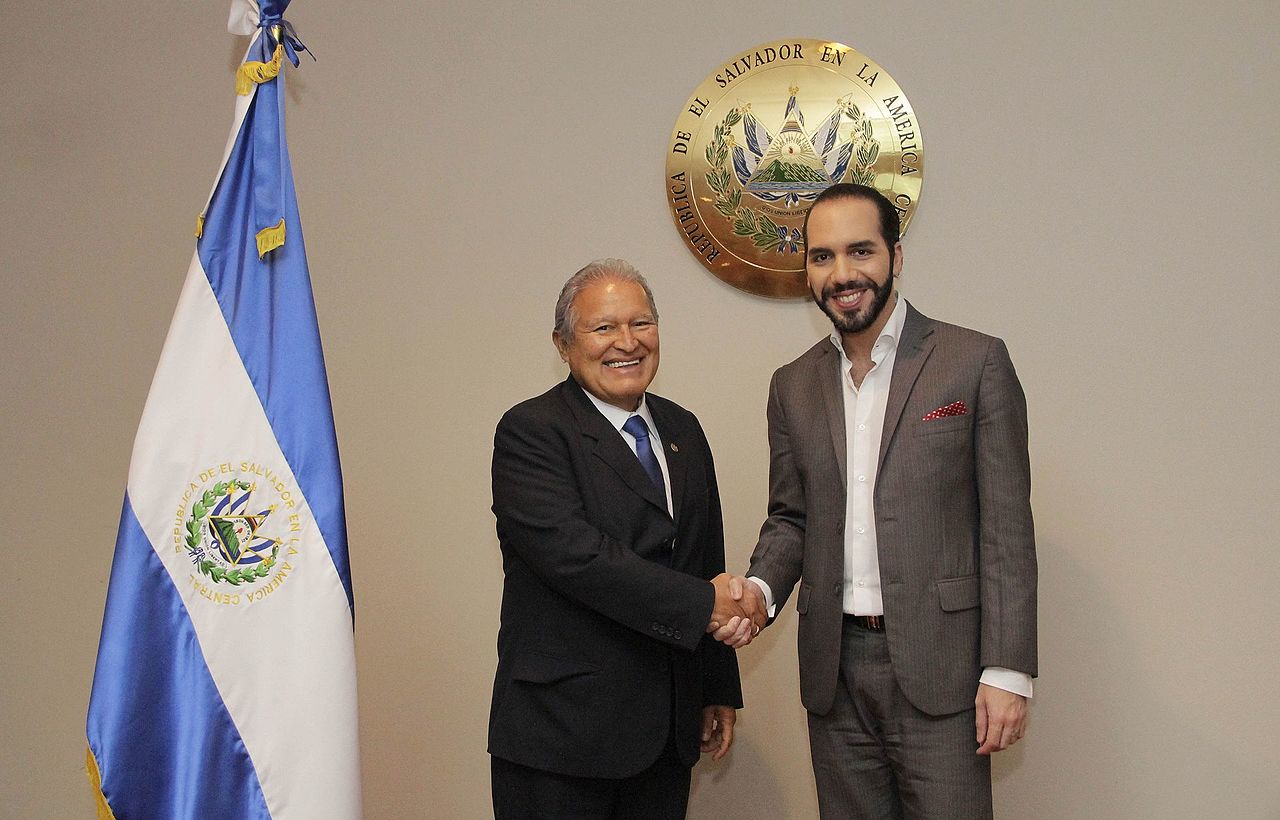
President of El Salvador, Salvador Sánchez Cerén, and the then-mayor of San Salvador, Nayib Bukele, during a meeting on cooperation issues between the central government and the capital city, May 7, 2015.Presidencia El Salvador / Wikimedia
On Sunday, March 4, El Salvador’s governing party, the leftist Farabundo Martí National Liberation Front (FMLN), suffered massive defeat at the polls in nationwide legislative and municipal elections. The FMLN now faces one of its most serious crises since its negotiated transition from guerrilla army to political party at the close of the country’s bloody US-backed civil war in 1992.
The official results are still being processed by the electoral authorities, but preliminary data shows the party reduced to its lowest count in the legislature in over twenty years. The party also lost key mayoral races across the country, including in the capital city of San Salvador and many towns that have been historic FMLN strongholds.
The resounding rebuke of the FMLN and its government, led by former guerrilla commander President Salvador Sánchez Cerén, resulted in significant gains for the quasi-fascist Nationalist Republican Alliance (ARENA) opposition party. ARENA, the principal instrument of El Salvador’s oligarchic capitalist class, took additional seats in the legislature and swept the capital.